viernes, 7 de julio de 2023

Artesonado Mudéjar


Artesonado Mudéjar

(Es)

El artesonado mudéjar se refiere a toda techumbre con decoración de madera, que resuelve los problemas estructurales de los edificios. Se encuentran fundamentalmente en la arquitectura mudéjar (estilo artístico que se desarrolló en los reinos cristianos de la península ibérica, es fundamentalmente decorativa, introduce nuevas soluciones) y musulmana.
¿Qué es el Artesón? Es el elemento constructivo cóncavo, poligonal, moldurado y con adornos que suele ser de madera (mayoritariamente), pero también de piedra u otros materiales, que dispuestos en serie forman el artesonado (mejor es verlo, ya que explicado parece más lioso).
En las islas canarias, los encontramos sobre todo en las iglesias, palacios o casas particulares.
Recordar que todo este tipo de decoración llegó a las islas con los colonos después de la conquista, había que construir rápido y una de las mejores opciones era el artesonado, ayudado por la madera de tea que se encontraba en la isla.
En #Canarias se conservan un total de 89 edificios mudéjares, la mayoría en #Tenerife (55). Pero también se encuentran en La Palma (27), donde están los artesonados mudéjares más antiguos de #Canarias, fechados en el siglo XVI; Gran Canaria (2); Lanzarote (2); Fuerteventura (2); La Gomera (1).

Artesonado mudéjar

(En)
The Mudejar coffered ceiling refers to any roof with wooden decoration, which solves the structural problems of buildings. They are found fundamentally in Mudejar architecture (an artistic style that developed in the Christian kingdoms of the Iberian Peninsula, it is fundamentally decorative, it introduces new solutions) and Muslim.
What is the Artesón? It is the concave, polygonal, molded and ornamented construction element that is usually made of wood (mostly), but also of stone or other materials, which arranged in series form the coffered ceiling (it is better to see it, since it seems more complicated when explained).
In the Canary Islands, we find them above all in churches, palaces or private homes,
Remember that all this type of decoration arrived on the islands with the settlers after the conquest, it had to be built quickly and one of the best options was the coffered ceiling, helped with the tea wood found on the island.
A total of 89 Mudejar buildings are preserved in the #Canary Islands, the majority in #Tenerife (55). But they are also found in #LaPalma (27), where there are the oldest Mudejar coffered ceilings in the Canary Islands, dating from the 16th century; #GranCanaria (2); #Lanzarote (2); #Fuerteventura (2); #LaGomera (1)


miércoles, 17 de mayo de 2023

Calado


El Calado

(Es)
Hoy vamos a hablar de una de las actividades económicas más arraigadas en las islas. Esta fue sustento de muchas familias durante varios siglos, pero lamentablemente hoy en día son pocas las personas que lo ejercen.
El calado, fue traído a las islas a través de los colonizadores, el origen es entre Portugal, Andalucía y Extremadura.
En un principio, estos trabajos se realizaban como producción familiar, pero 1891 empieza a explotarse de manera comercial (como ya hacía Madeira).
En 1901 se abre la primera casa exportadora de calados de las Islas, exactamente en Puerto de la Cruz, gracias a la demanda y al éxito que tuvo, teniendo Londres como principal importador.
Tras la Primera Guerra Mundial, bajaron las ventas y cada vez se necesitaba menos mano de obra, no obstante, en 1950 se organiza la Sección Femenina, principal promotora de esta industria y sus trabajadoras, y reactiva el comercio del calado.
Las trabajadoras de este sector eran mujeres con pocos o ningún recurso, que suponían una mano de obra muy barata:
-Normalmente el empresario daba la tela a la caladora; bien se fijaba un precio en ese momento, o bien al recoger el producto final.
- La repartidora, la que distribuía las telas y diseños entre las caladoras (según la edad y destreza de cada una), pasaba a recoger los calados completamente finalizados para salir a venderlos; o bien eran las caladoras las que llevaban el producto terminado.
-Las caladoras de una generación enseñaban a las de la siguiente, necesitaban aprender a una edad temprana (dada la dificultad de esta labor).
¿Qué es el bastidor? una estructura de madera donde se fija la tela, y si es grande se mantiene en posición horizontal con unas burras.
¿Cómo es el proceso? consiste en deshilar el tejido para llegar a diferentes dibujos que se asemejan a flores o figuras geométricas.
La forma o la zona donde se ha trabajado se les conoce por diversos nombres como coser y cantar, redondel, redondillo, flor de tela, de almendro, galleta…
¿Cuáles son los pasos? (un resumen): Cortar la tela + Presillar (para que no se deforme al deshilar) + Deshilar o sacar las hebras + Colocar en el telar tensando la tela + tirar con hilo desde la tela a las varillas…

El Calado

(En)
Today we are going to talk about one of the most deeply rooted economic activities on the islands. This was the livelihood of many families for several centuries, but unfortunately today there are few people who exercise it.
The draft, was brought to the islands through the colonizers, the origin is between Portugal, Andalusia and Extremadura.
At first, these works were carried out as family production, but in 1891 it began to be exploited commercially (as Madeira was already doing).
In 1901, the first exporter of open works from the Islands was opened, exactly in Puerto de la Cruz, thanks to the demand and the success it had, with London as the main importer.
After the First World War, sales dropped and less and less labor was needed, however, in 1950 the Women's Section was organized, the main promoter of this industry and its workers, and reactivated the openwork trade.
The workers in this sector were women with few or no resources, which represented very cheap labor:
-Normally the businessman gave the fabric to the jigsaw; either a price was set at that time, or when the final product was picked up.
- The distributor, the one who distributed the fabrics and designs among the fretwork workers (according to the age and skill of each one), went to collect the fully finished fretwork to go out and sell them; or it was the jigsaws that carried the finished product.
-The jigsaws of one generation taught those of the next, they needed to learn at an early age (given the difficulty of this task).
What is the rack? A wooden structure where the fabric is fixed, and if it is large it is kept in a horizontal position with donkeys.
How is the proccess? It consists of unraveling the fabric to arrive at different drawings that resemble flowers or geometric figures. The shape or area where the work has been done is known by various names such as sew and sing, roundel, roundabout, fabric flower, almond tree, cookie...
What are the steps? (A summary): Cut the fabric + Bartack (so that it does not deform when unraveling) + Unravel or remove the threads + Place on the loom tautening the fabric + pull with thread from the fabric to the rods...

viernes, 7 de abril de 2023

Peliculas/ Films


Peliculas rodades en #Canarias
(Es)
Hola, en esta entregamos vamos a echar un vistazo a algunas de las películas que han sido rodadas en Canarias (en parte o íntegramente)
Las islas tienen un gran escenario natural (nuestro clima, paisajes volcánicos, desiertos, bosques milenarios, acantilados, playas…) que atrae a producciones españolas e internacionales, a rodar partes de las películas, sino toda, en las islas.
Algunos de los títulos son:
-Tirma (1954): Agaete, Artenara, Gáldar, Las Palmas, Moya, San Bartolomé de Tirajana, Tejeda, Telde (Gran Canaria).
-Moby Dick (1956): Las Palmas (Gran Canaria).
-Ulises contra Hércules (1964): Las Palmas y San Bartolomé de Tirajana (Gran Canaria) y La Orotava (Tenerife).
-Hace un millón de años (1966): el Teide (Tenerife); Yaiza, El Golfo, Teguise y Timanfaya (Lanzarote); y Maspalomas (Gran Canaria).
-El Planeta de los Simios (1968): Cofete (Fuerteventura).
-Mission Stardust (1968): Cañadas del Teide (Tenerife).
-Hay que educar a Papá (1971): Puerto de la Cruz, Icod de los Vinos, Las Cañadas del Teide (Tenerife).
-Por la senda más dura (1975): Mogán y San Bartolome de Tirajana (Gran Canaria); Teguise y Yaiza (Lanzarote); La Orotava (Tenerife).
-Furia de Titanes (2010) e Ira de Titanes (2012): El 80% de la película se grabó: Punta de Teno, el Barranco de Masca y el Parque Nacional del Teide (Tenerife).
-Los Abrazos Rotos (2009): Yaiza, Teguise (Lanzarote).
-Una hora más en Canarias (2010): Garachico, Icod de los Vinos, Buenavista, La Laguna (Tenerife).
-Fast and Furios 6 (2013): Anillo Insular (no estaba terminado), San Juan de la Rambla, Punta de Teno y Garachico (Tenerife).
-Exodus: Reyes y dioses (2014): Dunas de Corralejo y de Jandía, El Cotillo, en el Barranco del Mal Paso y en Cofete (Fuerteventura)
-Han Solo: Una historia de Star Wars (2014): playa del Matorral (Pájara, Fuerteventura).
-Wild Oast (2014): campo de golf de Bandama, Teror, Arucas (Gran Canaria).
-Como sobrevivir a una despedida de Soltera (2014): Anfi y Playa del Inglés o Vegueta (Gran Canaria).
-En el corazón del Mar (2015): Playa de Tapahuga (La Gomera); Lanzarote.
-Aliados (2016): casco antiguo del barrio de Vegueta y parte de Las Dunas de Maspalomas (Gram Canaria); Dunas de Fuerteventura.
-Jason Bourne (2016): en Tenerife: Santa Cruz y Güímar (Tenerife).
Palmeras en la Nieve (2016): Las Palmas, Arucas, Gáldar, Guía y Telde (Gran Canaria).
-Rambo: Last Blood (2019): Santa Úrsula, el Parque Nacional del Teide, los Gladiolos y el Rosario (Tenerife).
-Taxi a Gibraltar (2019): Las Palmas (Gran Canaria).
-Wonder Woman 1984 (2020): Dunas de Corralejo (Fuerteventura); Isla Baja (Tenerife).
-Eternals (2021): La playa de La Solapa, la Presa de Las Peñitas (Fuerteventura)
Espero que les haya gustado y estar más de orgullosos de nuestras islas.

Films shot in the #CanaryIslands
(En)
Hello, in this publication we are going to take a look at some of the films that have been shot in the Canary Islands (in part or in full).
The islands have a great natural scenery (our climate, volcanic landscapes, deserts, ancient forests, cliffs, beaches…) that attracts Spanish and international productions, to shoot parts of the films, if not all, on the islands.
Some of the titles are:
-Tirma (1954): Agaete, Artenara, Gáldar, Las Palmas, Moya, San Bartolomé de Tirajana, Tejeda, Telde (Gran Canaria).
-Moby Dick (1956): Las Palmas (Gran Canaria).
-Ulises against Hercules (1964): Las Palmas and San Bartolomé de Tirajana (Gran Canaria) and La Orotava (Tenerife).
-A million years ago (1966): Mount Teide (Tenerife); Yaiza, El Golfo, Teguise and Timanfaya (Lanzarote); and Maspalomas (Gran Canaria).
-The Planet of the Apes (1968): Cofete (Fuerteventura).
-Mission Stardust (1968): Canadas del Teide (Tenerife).
-Papá debe ser educado “Dad must be educated” (1971): Puerto de la Cruz, Icod de los Vinos, Las Cañadas del Teide (Tenerife).
-Moby Dick (1956): Las Palmas (Gran Canaria).
-Ulises against Hercules (1964): Las Palmas and San Bartolomé de Tirajana (Gran Canaria) and La Orotava (Tenerife).
-A million years ago (1966): Mount Teide (Tenerife); Yaiza, El Golfo, Teguise and Timanfaya (Lanzarote); and Maspalomas (Gran Canaria).
-The Planet of the Apes (1968): Cofete (Fuerteventura).
-Mission Stardust (1968): Canadas del Teide (Tenerife).
-Dad must be educated (1971): Puerto de la Cruz, Icod de los Vinos, Las Cañadas del Teide (Tenerife).
-Take a hard ride (1975): Mogán and San Bartolome de Tirajana (Gran Canaria); Teguise and Yaiza (Lanzarote); La Orotava (Tenerife).
-Clash of the Titans (2010) and Wrath of the Titans (2012): 80% of the film was recorded: Punta de Teno, the Masca Ravine and the Teide National Park (Tenerife).
-Broken Embraces (2009): Yaiza, Teguise (Lanzarote).
-One more hour in the Canary Islands (2010): Garachico, Icod de los Vinos, Buenavista, La Laguna (Tenerife).
-Fast and Furios 6 (2013): Anillo Insular (was not finished), San Juan de la Rambla, Punta de Teno and Garachico (Tenerife).
-Exodus: Kings and Gods (2014): Dunes of Corralejo and Jandía, El Cotillo, in the Barranco del Mal Paso and in Cofete (Fuerteventura).
-Han Solo: A Star Wars Story (2014): Matorral beach (Pájara, Fuerteventura).
-Wild Oast (2014): Bandama golf course, Teror, Arucas (Gran Canaria).
-How to survive a Bachelorette party (2014): Anfi and Playa del Inglés or Vegueta (Gran Canaria).
-In the Heart of the Sea (2015): Tapahuga Beach (La Gomera); Lanzarote.
-Allied (2016): old town of the Vegueta neighborhood and part of Las Dunas de Maspalomas (Gram Canaria); dunes of Fuerteventura.
-Jason Bourne (2016): in Tenerife: Santa Cruz and Güímar (Tenerife).
-Palm Trees in the Snow (2016): Las Palmas, Arucas, Gáldar, Guía and Telde (Gran Canaria).
-Rambo: Last Blood (2019): Santa Úrsula, the Teide National Park, the Gladioli and the Rosario (Tenerife).
-Taxi to Gibraltar (2019): Las Palmas (Gran Canaria).
-Wonder Woman 1984 (2020): Corralejo Dunes (Fuerteventura); Low Island (Tenerife).
-Eternals (2021): La Solapa beach, Las Peñitas Dam (Fuerteventura).
I hope you liked it and so find a little more pride of our islands.
La foto fue tomada en Punta Teno, rodaje de Furia de Titanes/ The photo was taken in Punta Teno, shooting of Clash of the Titans

domingo, 5 de marzo de 2023

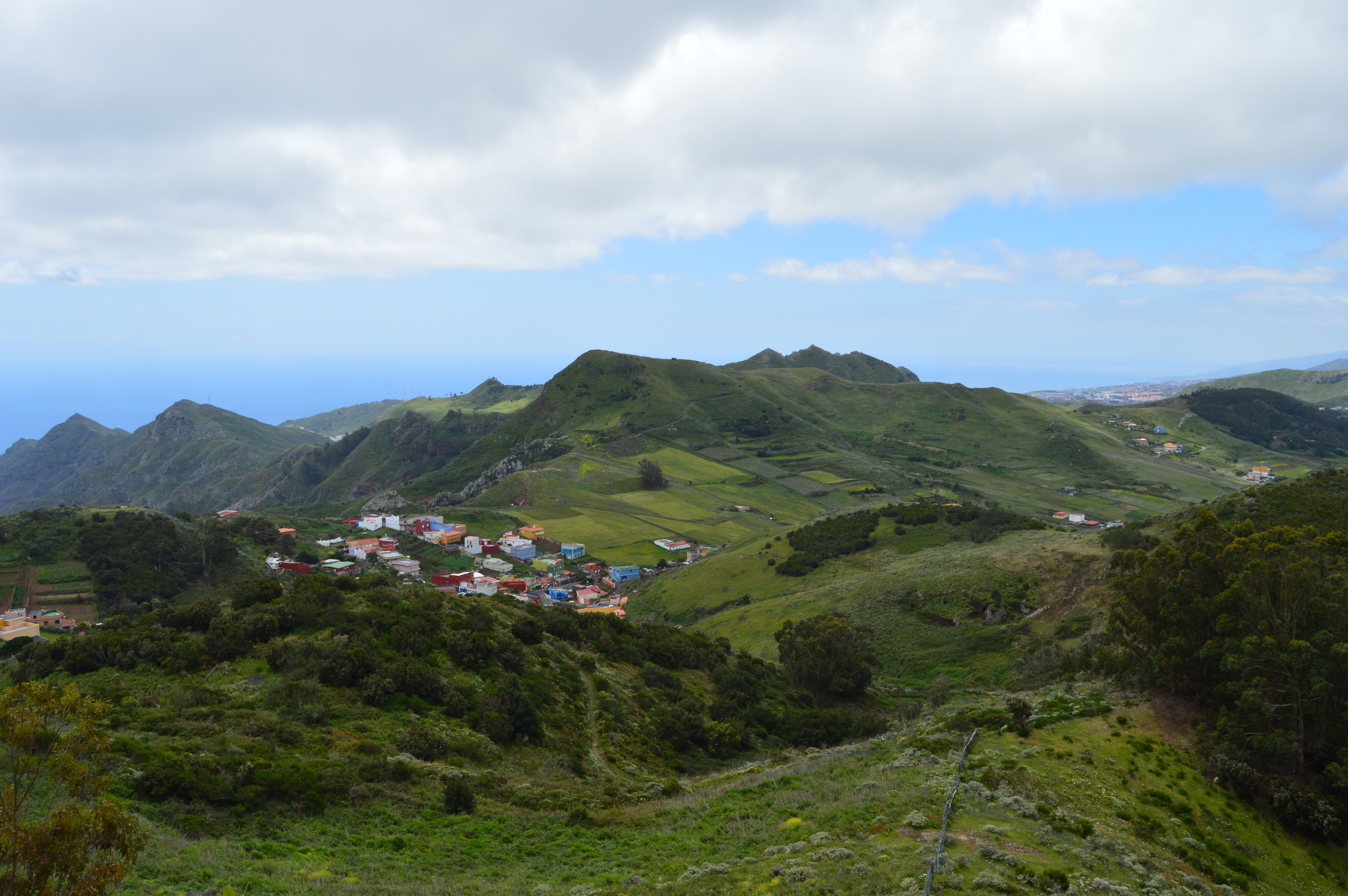
Macizo de Anaga


Macizo de Anaga

(Es)

Ya con esta publicación terminamos las Reservas de la Biosfera en #Canarias.

El Macizo de Anaga, en #Tenerife, fue declarado Reserva de la Biosfera el 9 de junio de 2015.

El Macizo es un edificio volcánico formado por lavas dominantemente basálticas, que se formándose tras múltiples episodios eruptivos. Finalizadas las erupciones, tuvo lugar un proceso erosivo.

En cuanto a la riqueza florística de Anaga cabe destacar que esta zona alberga la mayor proporción de flora endémica de Tenerife. Sobresale el monteverde. Este es el único enclave de Canarias donde se encuentran representadas todas las especies de árboles característicos de esta formación.

Por lo que se refiere a la fauna, encontramos una gran diversidad, con una buena representación de reptiles, aves, peces y en menor medida, mamíferos. Sin embargo, son los invertebrados los auténticos protagonistas de este espacio, con un total de 1.910 especies inventariadas, de las cuales 512 viven exclusivamente en Canarias, unas 329 son endémicas de la isla y 95 son exclusivas de esta zona de Tenerife.

Macizo de Anaga Biosphere Reserve

(En)

This is the last publicación in relation to the Biosphere Reserves in the #CanaryIslands.

The Macizo de Anaga in #Tenerife was declared a Biosphere Reserve on 9 June 2015.

It is a volcanic building formed by predominantly basaltic lavas, which was formed by the succession of multiple eruptive episodes. After the same eruptions, an erosive process took place.

As for the floristic richness of Anaga, it should be noted that this area is home to the highest proportion of endemic flora in Tenerife. The monteverde stands out. It is the only enclave in the Canary Islands where all the species of trees characteristic of this formation are represented.

As far as fauna is concerned, we find a great diversity, with a good representation of reptiles, birds, fish and to a lesser extent mammals. However, the invertebrates are the real protagonists of this space, with a total of 1,910 inventoried species, of which 512 live exclusively in the Canaries, some 329 are endemic to the island and 95 are exclusive to this area of Tenerife.